


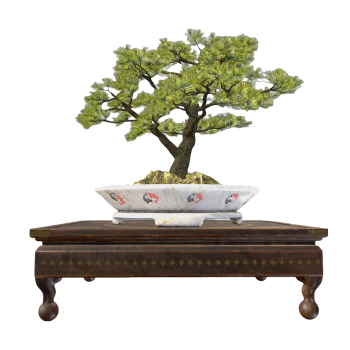
Welcoming Guest Pine Bonsai
It is a bonsai art form based on pine trees, originating in China and having a long history and profound cultural heritage. Symbolizing the resilience and longevity of pine trees, it symbolizes welcoming guests, friendliness, and longevity. Usually, pine plants such as five needle pine and black pine are selected. These tree species are characterized by strong and vigorous branches, emerald green needles, and elegant shapes. It is a bonsai form that combines ornamental, artistic, and cultural elements. Not only can it beautify the environment and enhance the style of the space, but it can also convey the friendliness and enthusiasm of the owner, which is a unique artistic expression in Chinese culture.
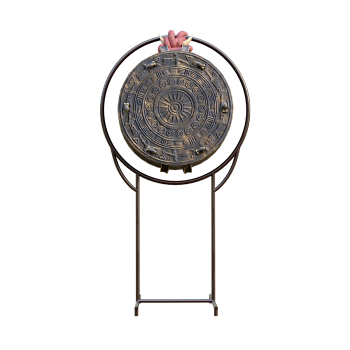
The ancient Chinese Zhuang musical instrument 'Bronze Drum'
It is a percussion instrument with a long history and profound cultural significance. The bronze drum originated in the early Spring and Autumn period, about 2700 years ago. It was originally created by the Pu people in the central and western regions of Yunnan Province. Initially used as a cooking utensil and copper pot, it gradually evolved into a percussion instrument and eventually became a symbol of power and wealth. It occupies a pivotal position in Zhuang culture and is regarded as a precious heavy vessel, with similar symbolic significance to the cauldron in the Central Plains region. Not only is it a cultural heritage of the Zhuang ethnic group, but it has also become a cultural symbol shared by multiple ethnic groups. Its casting techniques were revived in the 1990s, and the bronze drum culture was inherited and developed.

Japanese clogs
Also known as "Xiana", it is one of the traditional Japanese footwear with a long history and unique cultural significance. Originating from the Heian period (794-1185), it was initially used as footwear for warriors and nobles, and gradually became popular among the general public. The design is simple and practical, usually consisting of a wooden base, two pieces of wooden shoelaces (called "noses"), and shoelace fixing devices. The bottom plate is usually made of sturdy wood, such as beech or oak, which can provide good support and durability. In Japanese culture, clogs are not only shoes worn in daily life, but also decorations for festivals and special occasions. It is one of the symbols of Japanese culture.
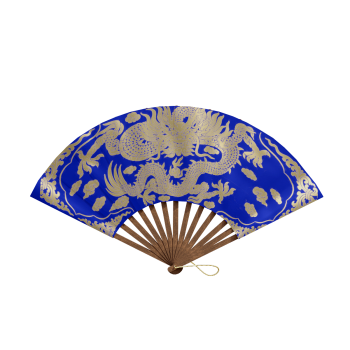
Chinese folding fan dragon fan
It is a traditional handicraft with a long history and profound cultural heritage. Originating in China, it later spread to Japan, Korea, and other places, becoming an indispensable part of East Asian culture. Made of bamboo, paper, silk and other materials, the fan is painted with exquisite patterns, usually with the image of a Chinese Loong, which shows the exquisite skills of traditional Chinese painting. In ancient times, it was often used as a decoration for literati and scholars, symbolizing identity and taste. The patterns and calligraphy on the fan often contain rich cultural meanings and philosophy, reflecting the user's cultivation and sentiment. Carrying the rich history and culture of the Chinese nation.

Traditional Chinese Red Lantern
It is an important component of traditional Chinese culture, with a long history and profound cultural connotations. Originating from the Han Dynasty, it was initially used as a lighting tool and gradually evolved into decorative items in festivals and celebrations, symbolizing brightness, reunion, and joy. In traditional Chinese festivals, such as the Spring Festival, the Yuanxiao (Filled round balls made of glutinous rice-flour for Lantern Festival) Festival, and the Mid-Autumn Festival, every household will hang red lanterns to add to the festive atmosphere. Widely popular in China, it has also become a landmark decoration for Chinese cultural festivals, Chinatown and other occasions around the world due to its unique Eastern charm. With the development of modern technology, there have also been many innovative designs for red paper lamps.

Chinese Lotus Lantern
It is a very prominent symbol in Chinese culture. The combination of lotus flowers and lanterns creates a unique artwork. Lotus flowers are closely related to Buddhist Falun in Chinese culture and are regarded as a symbol of purity. The lantern itself has a long history and usually symbolizes good luck. Traditionally, real shells are used to make lotus lanterns, giving them a unique appearance through artistic arrangement and painting. The design is full of creativity, with high aesthetic appeal, and in people's eyes, they also have important cultural significance. I believe these lanterns can bring good luck, longevity, and purity.

Akadi Monastery on Crete Island
Arkadi Monastery, located on the island of Crete in Greece, is an Eastern Orthodox monastery with a long history and religious significance. This monastery was built in the 14th century and is considered one of the most important religious and cultural heritages of Crete. Renowned for its beautiful architecture and exquisite mural art. It is an important center of Eastern Orthodoxy, where monks live a devout life, dedicated to prayer, chanting, and serving believers. The monastery is equipped with facilities such as a church, residences for monks, and a library, providing a place for religious ceremonies and cultural activities for believers and tourists.

Popular Models
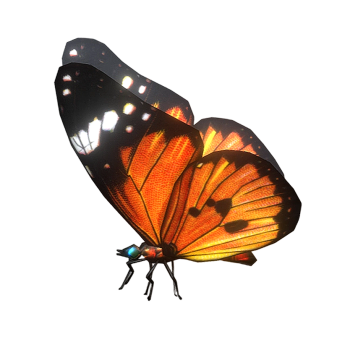
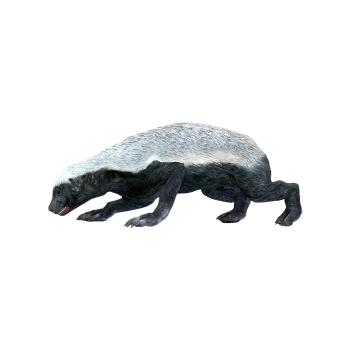
Honey Badger (3D animated model)
194 View
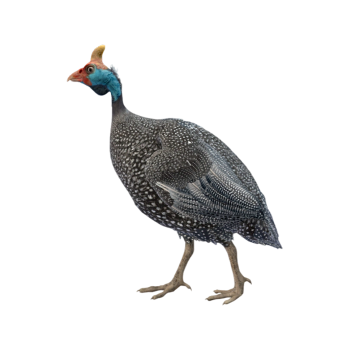
Guinea fowl (3D animated model)
165 View

Wild Goose (3D animated model)
187 View

Red Fox (3D animated model)
155 View
Random Model

Auxiliary seat
530 View

French Chanel Round Tote
961 View

Ebony Guzheng
852 View

Swedish Storkyrkoskeppet warship
761 View

Simple Sofa
571 View

Rusty old-fashioned white oven
741 View

Halloween Spider Pizza
472 View

fragrant pear
400 View
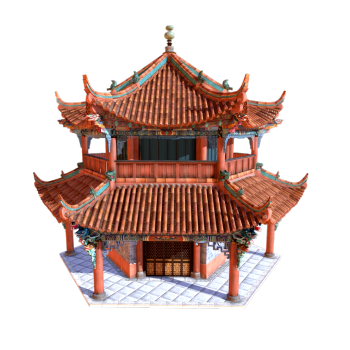
Chinese Temple Pagoda
1038 View

Dodge Challenger SRT Hellcats
849 View